Design-Forward Prep to Sell Your Wash Park Denver Home
March 5, 2026
March 5, 2026
Want top dollar for your Wash Park home without overbuilding or losing its character? You are not alone. In a high-demand pocket like Washington Park, where recent neighborhood snapshots show a median sale price near $1.55M as of January 2026, buyers expect homes to look polished and feel move-in ready. This guide gives you a clear, design-forward plan that respects your home’s roots and maximizes your market appeal. You will learn which updates deliver the most impact, what to prioritize for photos and showings, and how to time the work for a smooth launch. Let’s dive in.
Most buyers start online, so your photos need to stop the scroll. Staging and a clean design story can increase showings and shorten days on market. NAR’s research on staging links well-presented homes to faster sales and stronger offers, which can be meaningful in a premium neighborhood.
Local buyers love original charm paired with modern function. Washington Park’s early 20th-century homes offer rich details, and many shoppers value that history along with updated systems and fresh finishes. The area’s lifestyle pull is strong too, from the lakes and paths to neighborhood retail and dining, as highlighted in the Washington Park neighborhood guide.
Curb appeal and outdoor living often carry outsized weight here. Simple exterior improvements and well-defined outdoor spaces tend to punch above their cost, according to the Zonda 2025 Cost vs Value report. First impressions begin at the sidewalk, and in a walkable, park-centered neighborhood, that moment matters.
Washington Park is a high-price, high-demand part of central Denver. Recent snapshots put the median around $1.55M in January 2026, but this area’s figures can swing month to month based on a handful of high-end sales. Before you finalize your prep plan, confirm current comps and strategy with your agent the week you go live.
The housing stock includes brick bungalows, Craftsman homes and Denver Squares, with some tasteful infill and pop-tops over time. Buyers often value proximity to the park, tree-lined streets and nearby retail corridors. For context on the neighborhood’s history and layout, see the Washington Park overview.
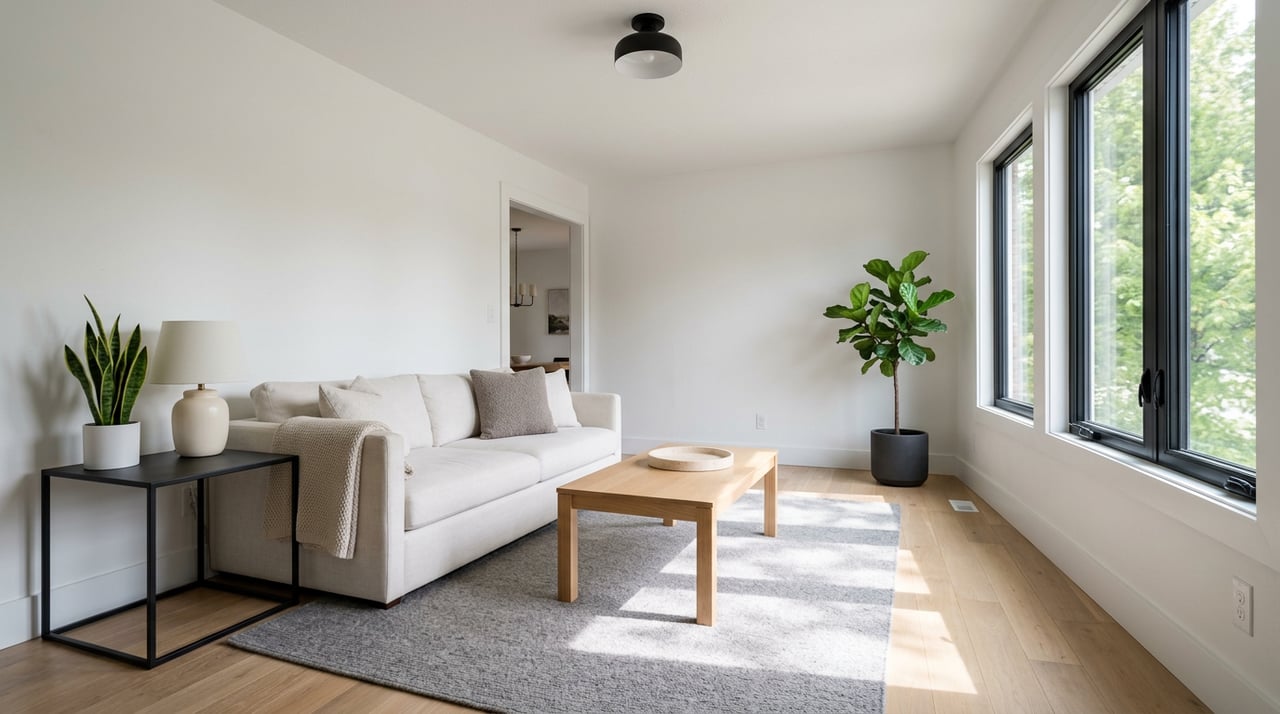
Stage the living room, primary bedroom and kitchen. These rooms drive buyer perception online and in person. NAR’s staging guidance shows staged homes often earn more showings and faster offers. Keep surfaces clear, edit decor, and use lighting to brighten every frame.
Refresh interior paint in neutral, period-aware palettes. Warm whites, soft grays and muted greens or blues create a clean canvas that reads both historic and current. Fresh walls and lightened trim photograph beautifully and help buyers imagine their own style.
Fix visible red flags. Address peeling exterior paint, cracked walks, gutter issues and any water stains. Small repairs can prevent price erosion and inspection drama. Curb and exterior touchups score well on return in Zonda’s Cost vs Value data.
Do a minor kitchen refresh. Repaint or refinish cabinet fronts, swap hardware, update the faucet and backsplash, and consider a targeted counter upgrade. The Cost vs Value report shows minor kitchen remodels recoup strongly in many markets. In historic homes, keep finishes clean and timeless to match the architecture.
Refinish hardwood floors. Original wood is a major emotional win in older Denver homes. Clean, continuous flooring makes the space feel larger and better maintained, which supports price.
Upgrade lighting and hardware. Layered lighting on dimmers and simple, modern hardware create a fresh, cohesive feel. According to NAR’s staging research, lighting helps convert online interest into in-person showings.
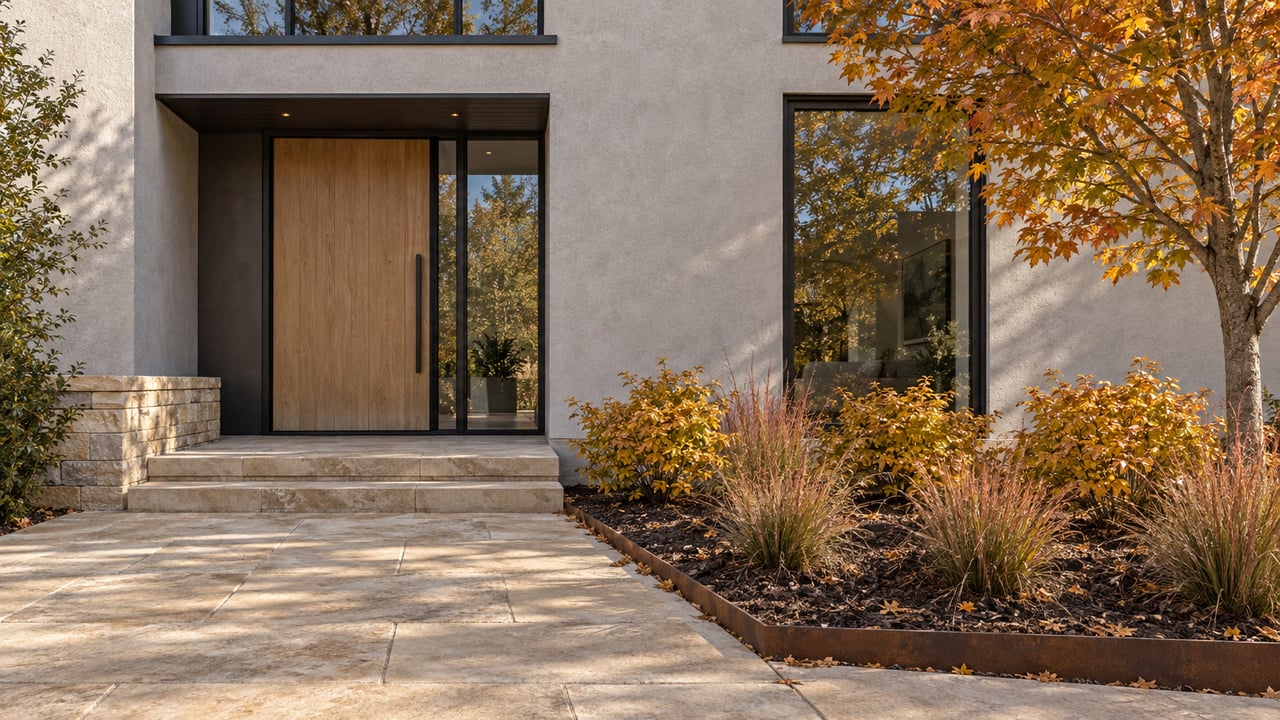
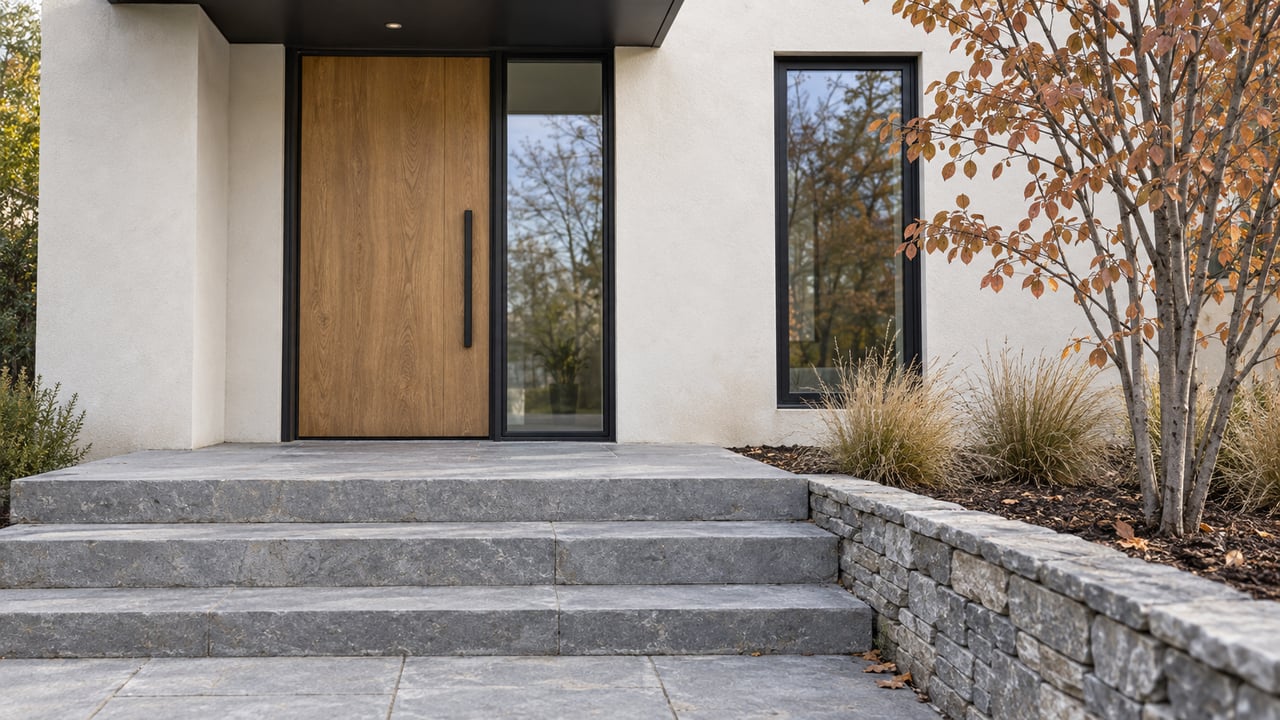
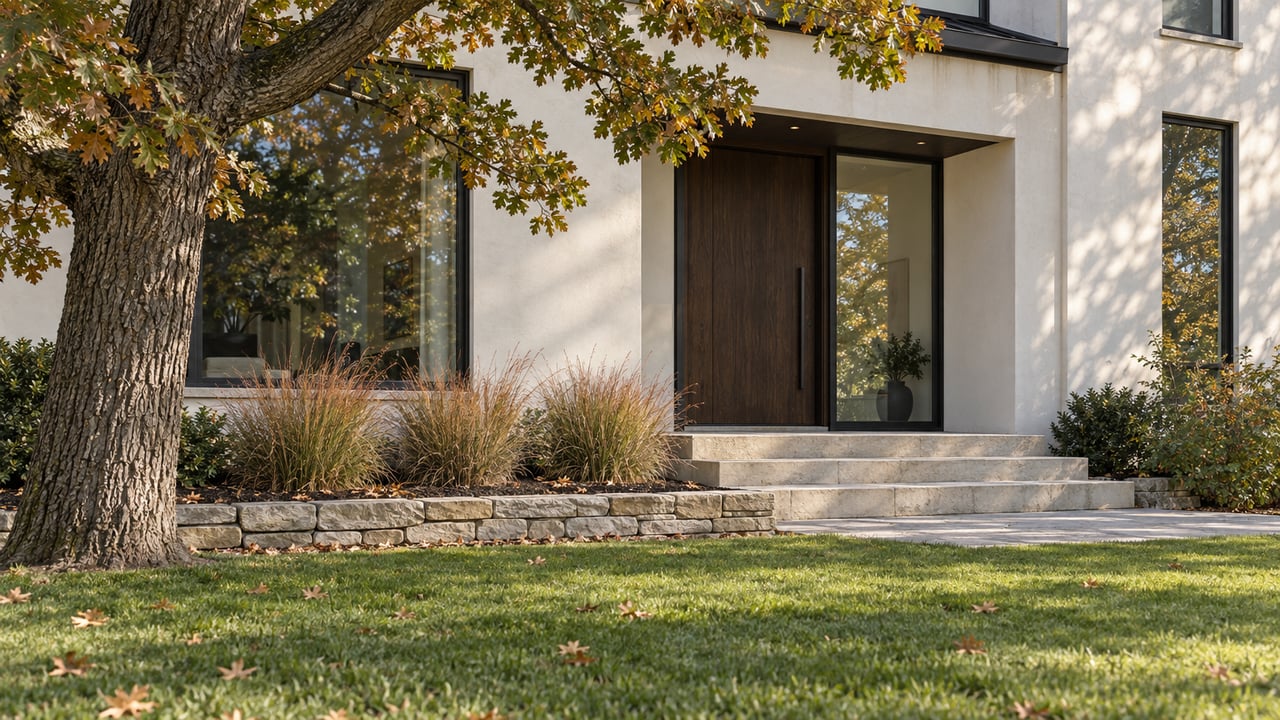
Sharpen the front entry. Define the path, update house numbers, repaint the front door and add modest plantings with fresh mulch. Exterior improvements often outperform many interior luxury spends in Zonda’s analysis.
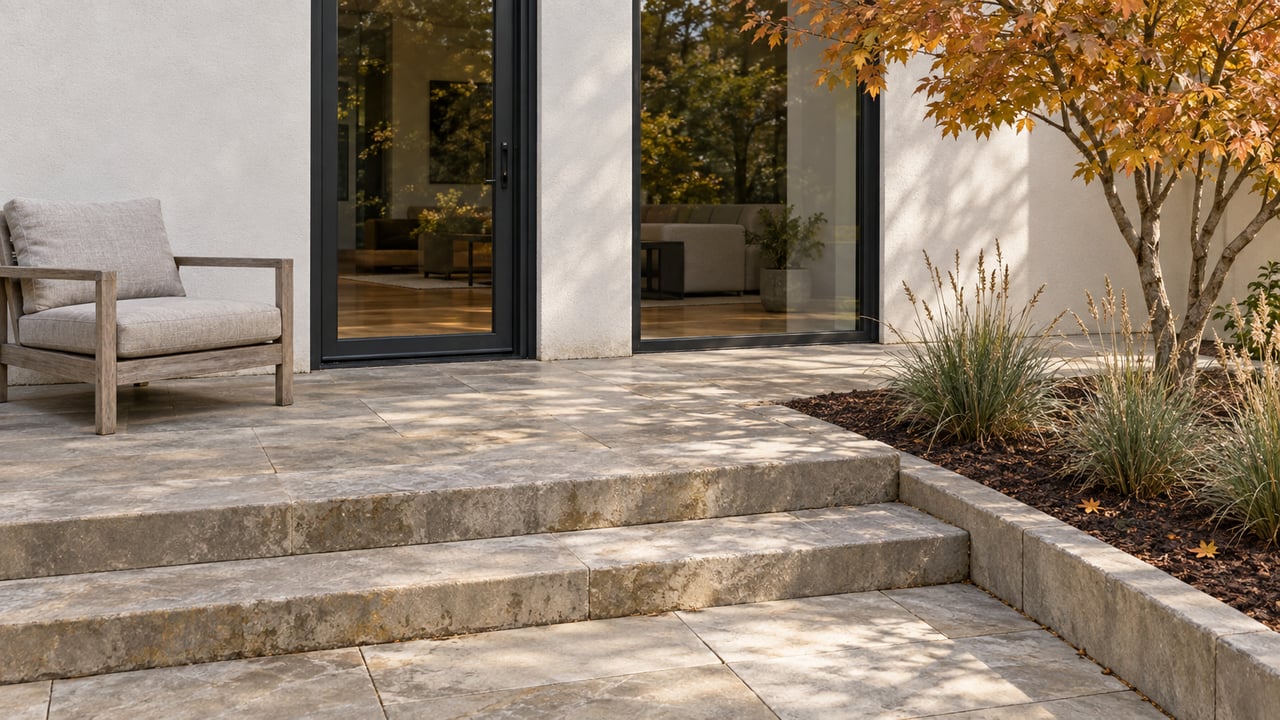
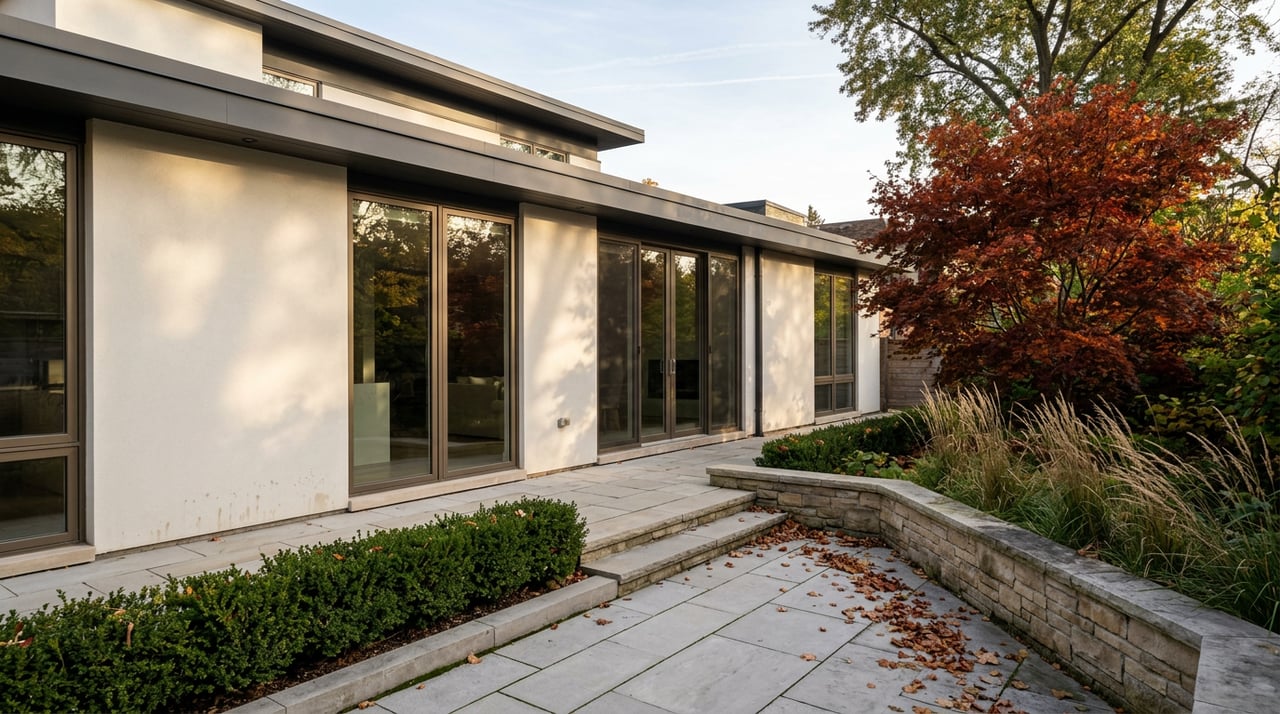
Create a usable patio or deck moment. A tidy seating area, clean hardscape and simple planters showcase the outdoor lifestyle buyers want near the park. Small, well-executed projects can deliver major lifestyle value.
Update systems if they are at the end of life. Older HVAC, water heaters or electrical panels can give buyers pause and invite inspection renegotiations. While energy and efficiency upgrades have variable direct ROI, they reduce risk and strengthen your negotiating position, as noted in Cost vs Value trends.
Consider lower-risk bonus space. Finished basements or code-compliant accessory space can attract attention when it aligns with local rules. ROI varies, so check comps and permitting requirements before you commit.
Staging works because it creates clarity. When rooms feel intentional and scaled correctly, buyers can imagine their routines and furniture. NAR’s staging research links staging to more showings and quicker sales, with many agents reporting price lifts for well-staged properties.
Costs vary by scope and home size. Nationally, many sellers spend about $1,500 to $4,000 on staging, according to Orchard’s cost overview. In practice, Denver pricing can track a bit higher, especially for full-furnish packages in vacant homes. Start with a consultation and target the rooms that matter most.
High-quality photos are essential. Plan shoot day after staging and deep cleaning, and coordinate for the best daylight. A thoughtful set of wide, well-lit images elevates your listing presence. A short video or 3D tour can help, but great stills are the baseline that drives clicks and showings.
6–8 weeks out
4–6 weeks out
2–3 weeks out
1 week to listing day
A conservative illustration can help you decide where to invest. If you spend about $3,000 on staging and presentation and that effort supports even a 1 percent lift on a $1.55M sale price, that is roughly $15,500 more, netting about $12,500 after staging. NAR’s staging research notes many agents report 1 to 5 percent improvements tied to staging quality.
If design-forward prep generates a 5 percent premium, the upside is about $77,500 before costs on a $1.55M sale. With a $6,000 combined budget for staging and modest updates, you could still net around $71,500. Results always depend on comps, execution and pricing strategy, but the potential is real in a neighborhood where presentation drives emotion.
Thinking of a kitchen refresh instead of a full remodel. The 2025 Cost vs Value report shows a national minor kitchen remodel with job costs around the high $20,000s and reported resale value often above cost. In Wash Park, period-sensitive choices are key. Match the home’s character, keep the layout simple and avoid trendy finishes that age fast.
Washington Park is recognized for its historic character and is listed on the National Register, which is largely honorary for private homeowners. Some properties or areas may also fall under local landmark or design review, which can affect visible exterior changes. You can read a general overview of the neighborhood’s history on Wikipedia, then contact Denver Community Planning and Development for property-specific guidance. The city’s preservation updates and resources are available through Denver CPD’s news and events. If you are considering a pop-top, major window changes or a new porch, confirm the process and permits before you start.
Selling in Wash Park rewards a thoughtful plan and crisp execution. With design-aware marketing and calm project management, you can highlight your home’s strengths without overspending.
Here is how the process feels with a boutique, design-forward approach:
Ready to map your design-forward prep and launch with confidence. Book a consultation with Georgia Haskell to get a tailored plan for your Wash Park sale.
October 22, 2026
October 15, 2026
October 8, 2026
October 1, 2026
September 24, 2026
September 17, 2026

September 10, 2026

September 3, 2026

August 27, 2026
Georgia combines tenacity, warmth, and integrity with deep market insight and strong negotiation skills, enabling her to advocate effectively for every client. Whatever your real estate goals, she is dedicated to helping make them a reality.
44 COOK ST DENVER CO 80206