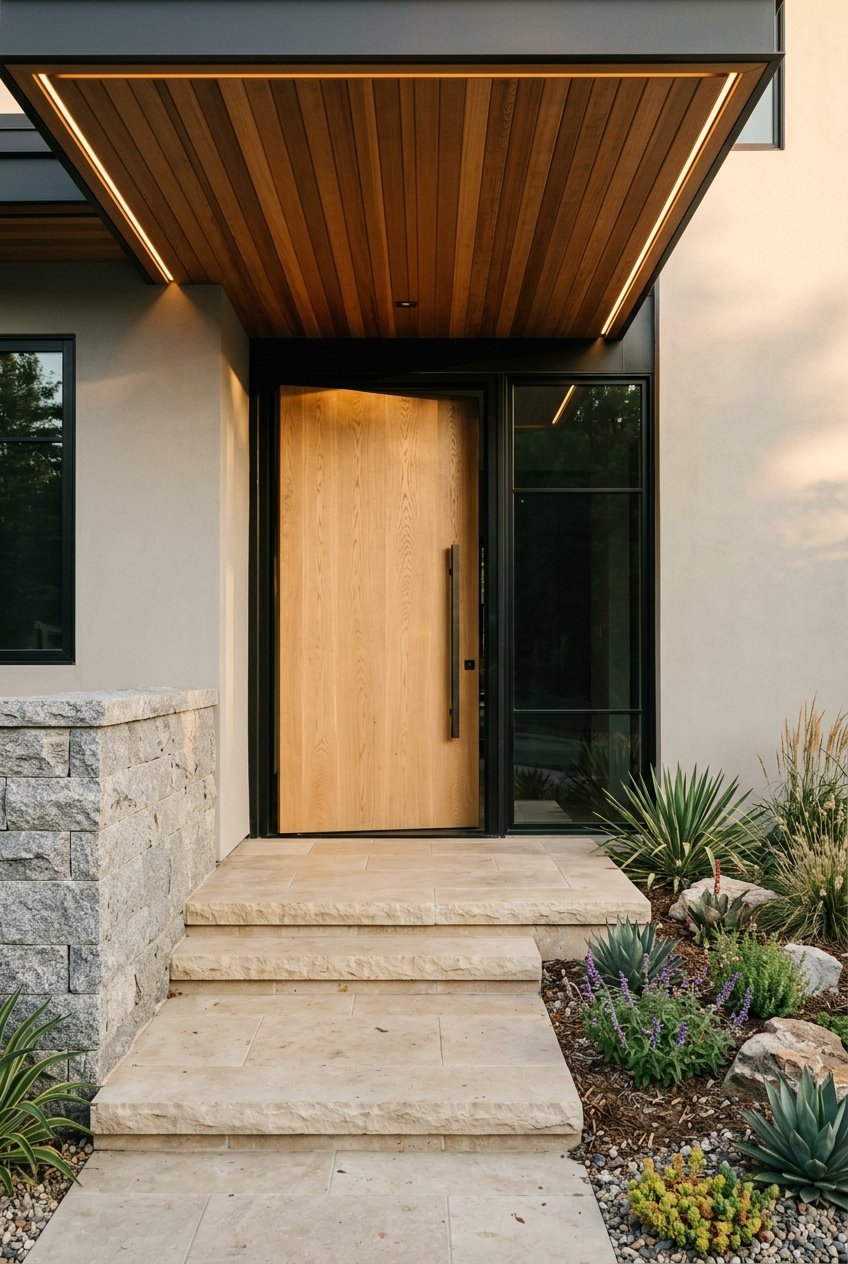
Out-of-State Cherry Hills Village Buying Guide
May 7, 2026
May 7, 2026
If you’re buying from another state, Cherry Hills Village can feel both exciting and hard to read at first. It is a small, high-value market where privacy, land, and home character often matter more than a busy town-center feel. The good news is that with the right plan, you can evaluate homes, understand the area, and close with confidence from a distance. Let’s dive in.
Cherry Hills Village is a small city in Arapahoe County with an estimated 6,349 residents in 2024. It is overwhelmingly owner-occupied, with 97.0% of housing lived in by owners, and the median owner-occupied home value is above $2,000,000. That tells you right away this is a market shaped by long-term ownership and high-value properties.
The city describes itself as an established community with a rural setting, mountain views, more than 34 miles of trails, the High Line Canal, 47 acres of parks and open space, two golf courses, and three schools. For you as an out-of-state buyer, that points to a lifestyle centered on space, outdoor access, and neighborhood character. It is less about dense retail and more about the feel of the homesite and surroundings.
Cherry Hills Village is also physically compact. It covers about 6.2 square miles, with roughly 1,039 residents per square mile. In practical terms, it often functions more like an in-town estate enclave than a sprawling suburb.
If you are moving from a larger suburb or a denser city, the first adjustment is understanding what drives value here. In Cherry Hills Village, buyers often focus on lot size, privacy, views, setting, and the design and condition of the home itself. Two homes with the same square footage can feel very different depending on how they sit on the land and how updated they are.
You should also expect a market with variety rather than a single “typical” product. City history and planning documents point to a mix that includes older ranch and split-level homes, traditional two-story homes, custom estates, and larger rebuilds or additions. That range can be a real opportunity, but it means you need a careful eye when comparing options from afar.
This is where a local, education-first guide matters. When you cannot casually drive the area every weekend, you need strong video walkthroughs, honest feedback, and clear context on what makes one property more compelling than another.
Cherry Hills Village has a long history of preserving a semi-rural character. The city’s own history references open fields, horses, and large lots, and that planning mindset still shapes the feel of the community today. As a result, the housing stock often reflects both the area’s older roots and its ongoing luxury redevelopment.
Some areas include modestly scaled one-story ranch homes and split-level properties. Others feature larger two-story homes, custom estates, and extensive renovations or new builds. For you, that means every showing should answer a few simple questions: Is this home mostly original, substantially updated, or fully rebuilt, and how does that compare with nearby properties?
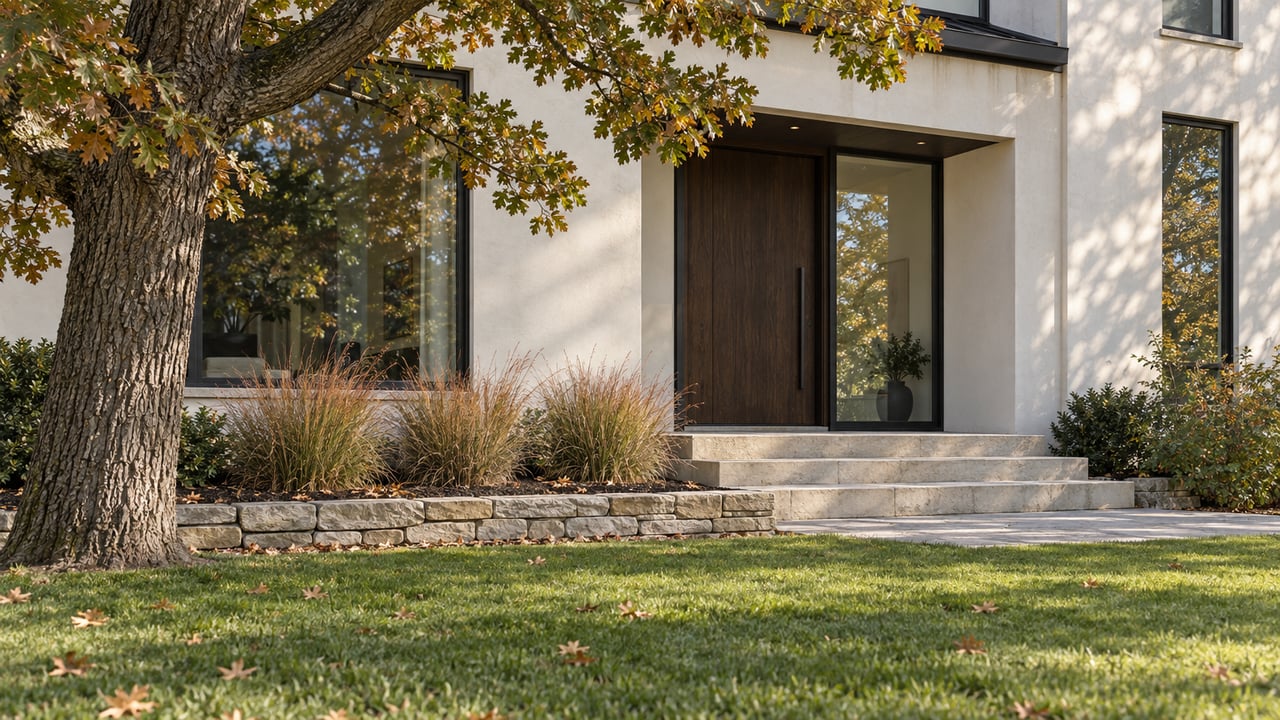
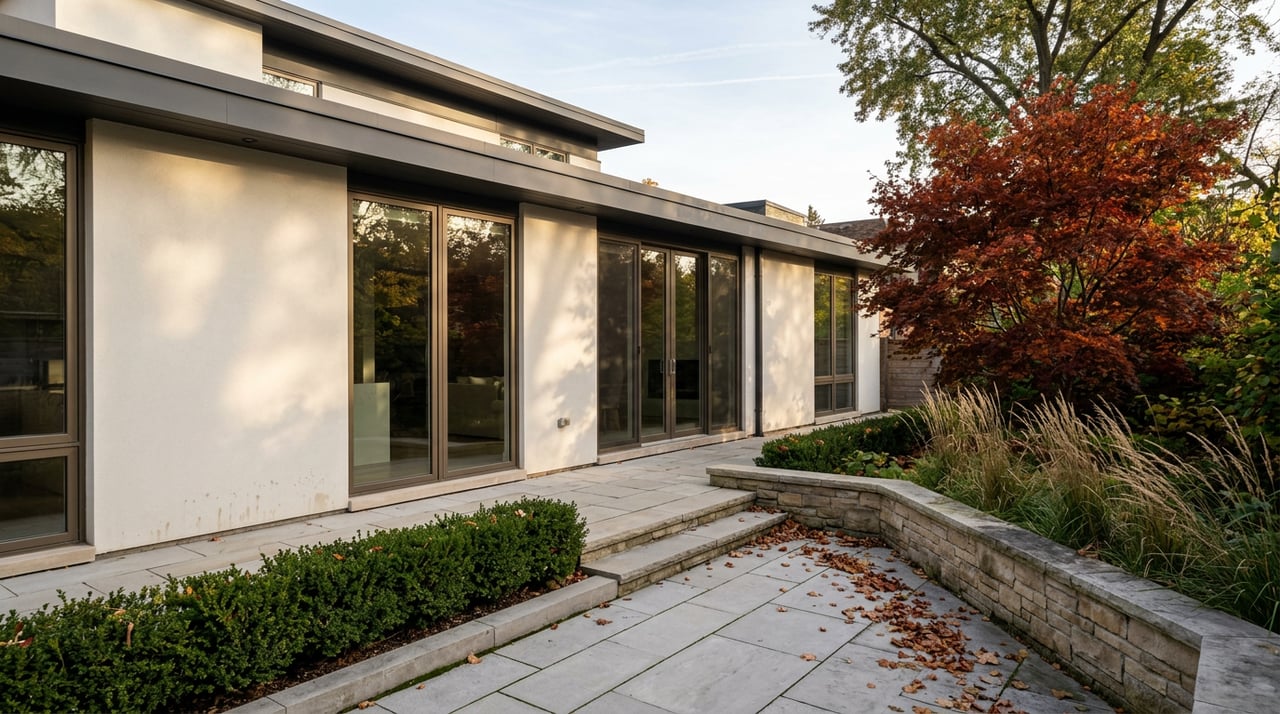
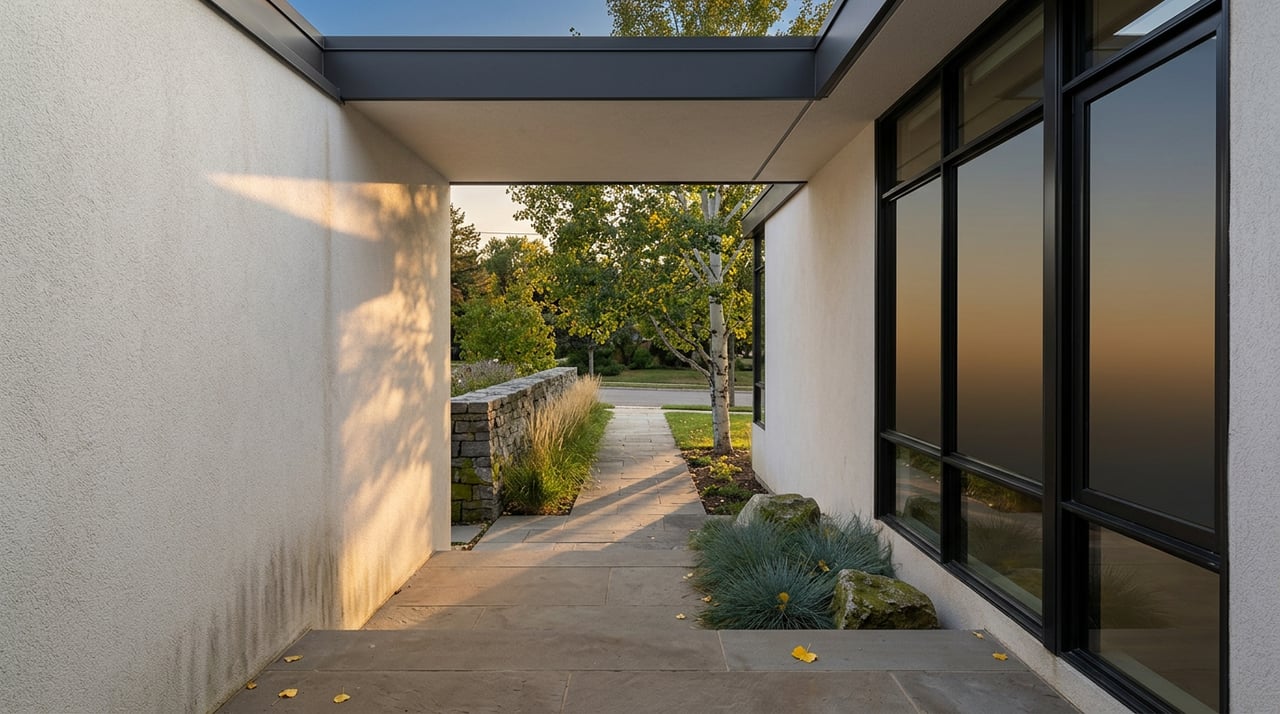
If you are design-minded, Cherry Hills Village can be especially appealing because homes often have distinct architectural identities instead of a repetitive tract-home look. Still, distinct homes require more detailed review. Floor plans, addition quality, remodel history, and exterior condition all matter when you are buying from a distance.
Cherry Hills Village sits in a well-connected part of the metro area. The Census reports a mean travel time to work of 20.6 minutes, which is shorter than the 2024 U.S. mean of 27.2 minutes. That does not guarantee a quick trip for every buyer, but it does suggest strong access to the broader job region.
At the same time, it is smart to set realistic expectations around traffic. A 2017 city traffic study found that about 50% of vehicles entering Cherry Hills Village during peak periods could be considered pass-through traffic. The study also noted that nearly two-thirds of PM traffic on Quincy Avenue and Holly Street was likely cutting through the city.
That matters when you are planning a move from out of state. On paper, a location may look quiet and tucked away, but your daily drive can still be shaped by nearby arterial roads and regional patterns. The city has also noted that some key intersections along University, Belleview, and Hampden fall under Denver or Colorado Department of Transportation control, so broader corridor traffic is not something the city can independently fix.
Colorado weather is one of the biggest things out-of-state buyers need to learn quickly. In the Denver area’s 2024 annual climate summary, the mean annual temperature was 53.9°F, total precipitation was 14.12 inches, and snowfall totaled 57.5 inches. That combination can be manageable, but it does affect how you evaluate a home.
The same climate summary highlighted very large hail on May 30 and a significant early-November snowstorm. For you, those are not just weather headlines. They are reminders to look closely at roofs, gutters, exterior finishes, windows, drainage, and insurance-related considerations.
Cherry Hills Village also adopted the 2024 I-Codes at the beginning of 2026 and publishes climate and geographic design criteria for building work. If you are comparing an older home to a newer build or addition, that context matters. You want to understand not just style and finishes, but also how the home may perform in a Front Range climate that can change fast.
Remote buying works best when the process is structured. Virtual showings are now a standard part of the market, and common tools include live video, FaceTime, Zoom, Matterport, and walkthrough videos. For a place like Cherry Hills Village, the goal is not just to see pretty rooms. It is to understand scale, flow, light, condition, and how the house sits on the lot.
A strong remote showing should help you answer questions such as:
For luxury and high-value homes especially, live walkthroughs matter. Photos can flatten details or hide issues. A calm, detailed video tour with real-time commentary gives you a better sense of finishes, transitions, ceiling heights, storage, and the overall feel of the property.
Home inspections are one of the most important checkpoints in a remote purchase. Inspections are not required, but they can be written as a contingency, and they typically take at least two to three hours. Common findings can include structural issues, drainage concerns, wiring, HVAC problems, and basic safety items.
If you are buying from another state, inspection strategy should be proactive. You want a clear written report with photos, and you want your agent and inspector aligned in real time so questions get answered quickly. A live-streamed portion of the inspection can also help you better understand any issues that show up.
This is especially useful in Cherry Hills Village, where homes may vary widely in age, renovation scope, and construction style. An older ranch, a heavily expanded home, and a newer custom build can each present very different inspection priorities.
The closing process is very workable for out-of-state buyers, but timing matters. Lenders must send the Closing Disclosure at least three business days before closing, and closing costs typically run about 2% to 5% of the purchase price before your down payment. Reviewing those numbers early helps you avoid last-minute surprises.
Colorado also allows remote notarization for real estate deeds and other real estate documents, as long as the notary is an active Colorado notary approved as a remote notary and the notarization happens in real time through audio-video communication. For a long-distance buyer, that can make the final signing process much easier.
Arapahoe County supports electronic recording, and its recording division notes that eRecording is faster than paper submission. The county also offers a free Property Alert service that monitors a name for newly recorded documents. That can be a helpful post-closing tool when you want extra visibility into recorded activity tied to your ownership records.
When you are buying in Cherry Hills Village from another state, a little extra planning goes a long way. You do not need to be physically present for every step, but you do need a coordinated process.
A smart framework usually looks like this:
That kind of structure helps turn a long-distance move into a manageable project. It also creates room for better decisions, especially in a market where homes can be visually beautiful but materially very different once you look closer.
Cherry Hills Village is not a plug-and-play market. Its appeal comes from nuance: large lots, a semi-rural feel, varied architecture, and strong regional access wrapped into a small, high-value city. Those are all strengths, but they also make remote decision-making more complex.
That is why many out-of-state buyers benefit from a calm, detail-focused advisor who can translate what you are seeing on screen into practical, on-the-ground insight. The right guidance helps you enjoy the process while still paying close attention to condition, logistics, and long-term value.
If you are considering a move to Cherry Hills Village and want a thoughtful plan for buying from out of state, Georgia Haskell can help you navigate the process with clarity, steady communication, and local perspective.
October 22, 2026
October 15, 2026
October 8, 2026
October 1, 2026
September 24, 2026
September 17, 2026

September 10, 2026

September 3, 2026

August 27, 2026
Georgia combines tenacity, warmth, and integrity with deep market insight and strong negotiation skills, enabling her to advocate effectively for every client. Whatever your real estate goals, she is dedicated to helping make them a reality.

44 COOK ST DENVER CO 80206